




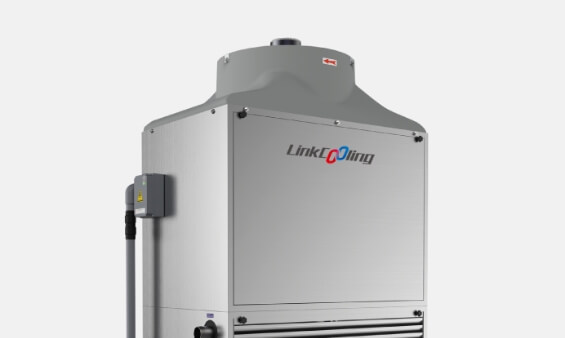
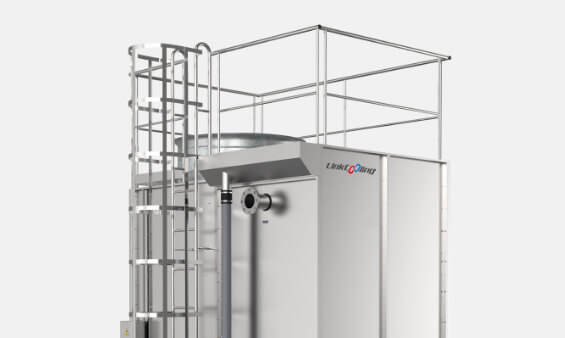
The Critical Role of Cooling Towers in Plastic Injection Molding
What crucial role does the cooling tower play in the entire injection molding process? Which parts of the plastic molding process require the use of a cooling tower? And if you're new to the injection molding industry, what do you need to know about managing cooling water?
Principles of Plastic Injection Molding
What is an injection molding machine? The injection molding process begins by feeding plastic pellets into a hopper, which are then transported into the heating barrel. As the material melts, a rotating screw inside the barrel drives the molten plastic through the nozzle and runner system into a closed mold. Once the mold is fully filled, the plastic is cooled back to a solid state via the mold's internal cooling channels. After the product has solidified, the mold opens for ejection, then closes again to repeat the cycle. The process can be broadly divided into five stages.





The cooling phase begins as soon as the plastic injection starts and lasts until the mold opens, accounting for about 75% of the entire production process! This highlights just how critical "cooling" is in the plastic injection molding process.
Which Stages of the Injection Process Require Cooling Towers?
The cooling needs in plastic injection molding can be divided into the requirements of the injection machine itself and the cooling of peripheral equipment. For the injection machine, the main components that require cooling are the oil cooler, the water jacket (barrel head water jacket), and the mold. These parts are typically cooled using water chilled by the cooling tower.
Oil Cooler
The hydraulic cylinder generates heat when it drives the injection unit, leading to an increase in hydraulic oil temperature. Cooling water from the cooling tower is used to cool the hydraulic oil and maintain its temperature.
Water Jacket
As plastic pellets enter the injection screw, the heat generated by the screw can cause premature softening of the pellets. A water jacket with cooling water is used to cool the screw and maintain the pellets in the desired state.
Mold Cooling
The cooling of the mold depends on the product's characteristics and affects the speed of mold opening, product precision, and automation efficiency. Cooling water is used to quickly cool the mold and the plastic product.
Cooling of Peripheral Equipment
Common peripheral equipment requiring cooling includes dehumidifiers, chillers, and mold temperature controllers. These are cooled by water from the cooling tower.
The Importance of Cooling Towers in the Plastic Injection Molding Process
Cooling towers are typically installed on the rooftop or in a corner outside the production facility. While this saves space, it often leads to neglected maintenance — resulting in dirty surfaces and scale buildup, which can affect the cooling efficiency and temperature control of the injection molding equipment.
Impact of Poor Cooling Tower Maintenance
- Lack of maintenance leads to a deteriorated environment with moisture and dirt.
- Algae and scale reduce the cooling tower's efficiency and temperature control.
- Fans and pumps are prone to malfunction.
- Excessive splashing leads to scale formation.
Impact on Injection Molding Machines
- Dirt and scale from the cooling tower reduce cooling efficiency.
- Blockages result in defective mold products.
- Scale removal chemicals can damage the injection machine’s coolers.
- Water jackets lose effectiveness.
- Temperature fluctuations make automation difficult.
Impact on Peripheral Equipment
- Chiller blockages cause high-pressure shutdowns.
- Unstable temperature control in mold temperature machines leads to increased energy consumption.
Given these issues, it’s clear that while cooling towers provide significant cooling benefits for injection molding machines, their maintenance and water quality control are crucial for maintaining stable cooling temperatures. Regular cleaning and maintenance of the cooling tower and monitoring water quality are essential.
Benefits of Closed Circuit Cooling Towers for Injection Molding Machines
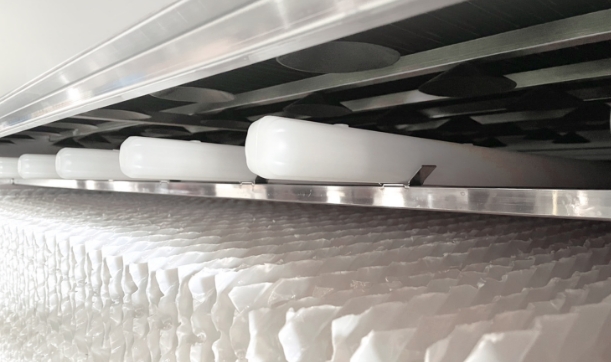
To address the problems of traditional cooling towers, many large-scale plastic injection systems have begun adopting closed circuit cooling tower systems. Although these systems have a higher initial setup cost, they offer significant advantages in reducing scale buildup and maintaining stable cooling temperatures. For small to medium-sized injection molding facilities, optimizing the use and maintenance of cooling towers remains a cost-effective option.
Reduced Risk of Blockages
Closed systems minimize the entry of external contaminants into the cooling water, reducing the risk of blockages.
Stable Cooling Efficiency
Closed systems better control cooling water temperature, ensuring the smooth operation of injection machines and enhancing production efficiency.
Energy Savings
Closed systems optimize cooling water temperature, reducing energy consumption and achieving energy-saving goals.
Cooling towers play an indispensable role in the plastic injection molding process. Whether using traditional open or closed cooling systems, proper maintenance and management are key to ensuring the stable operation of injection machines and improving product quality. Through regular maintenance, water quality, and temperature control, businesses can improve production efficiency and reduce operating costs, working toward their sustainability goals.